


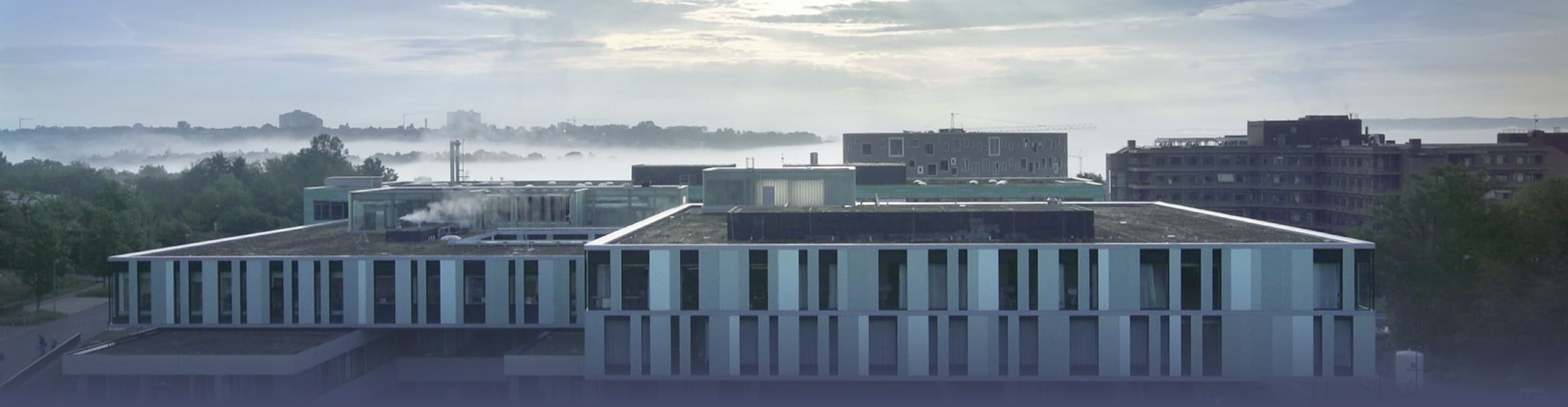
Endowed Applied Vision Research Laboratory
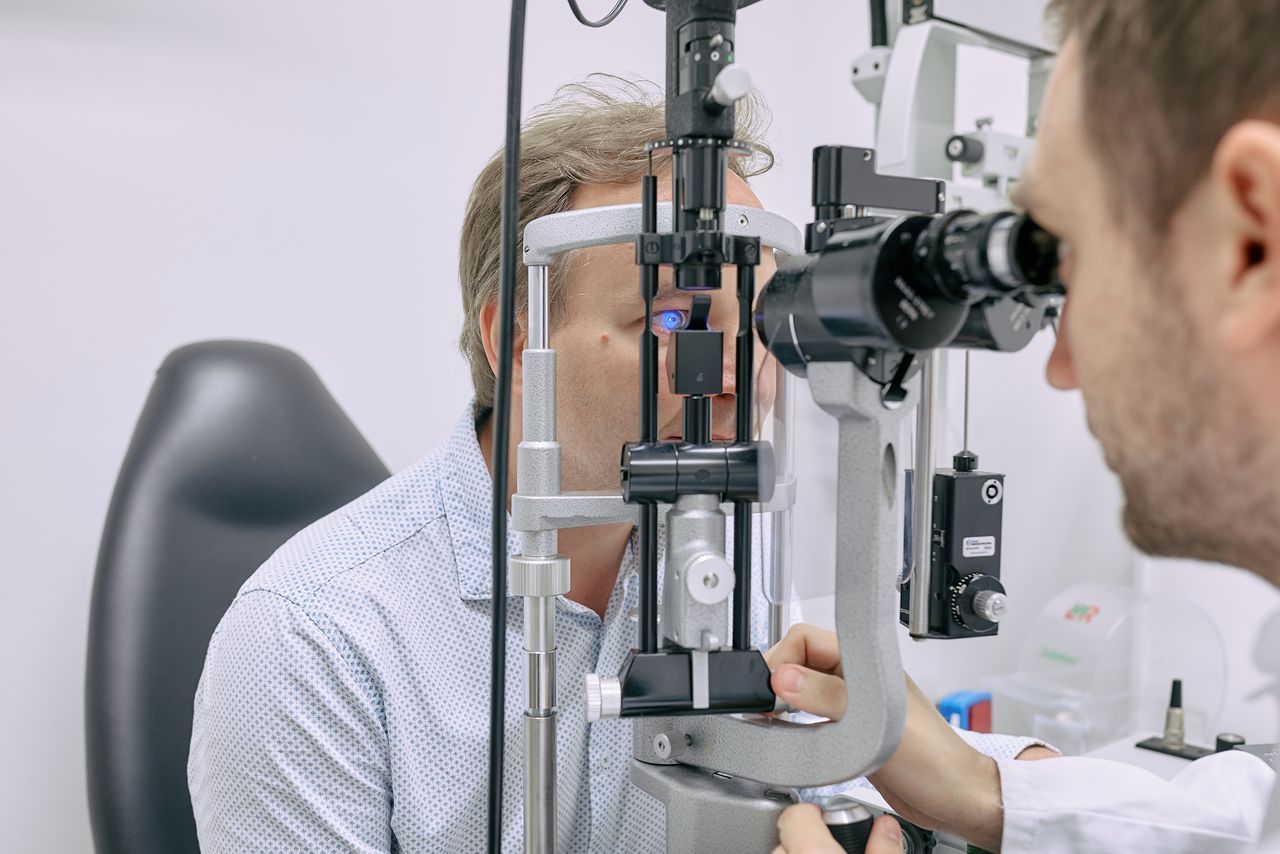
Our group conducts basic and applied research in vision science, studying both healthy and visually impaired human eyes. Our goal is to advance methods for detecting and treating visual disorders, with a particular focus on visual function testing, presbyopia, and myopia.
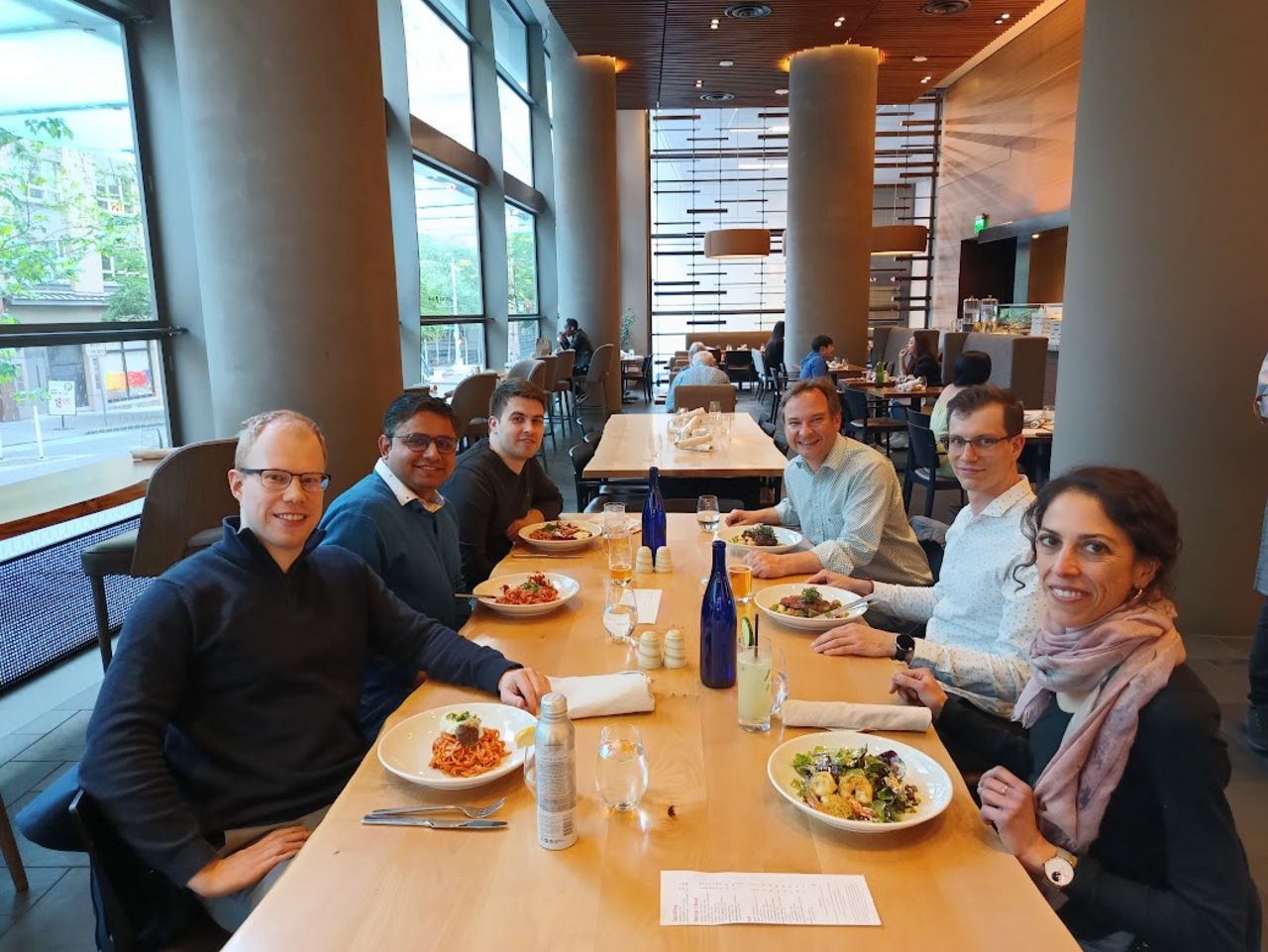
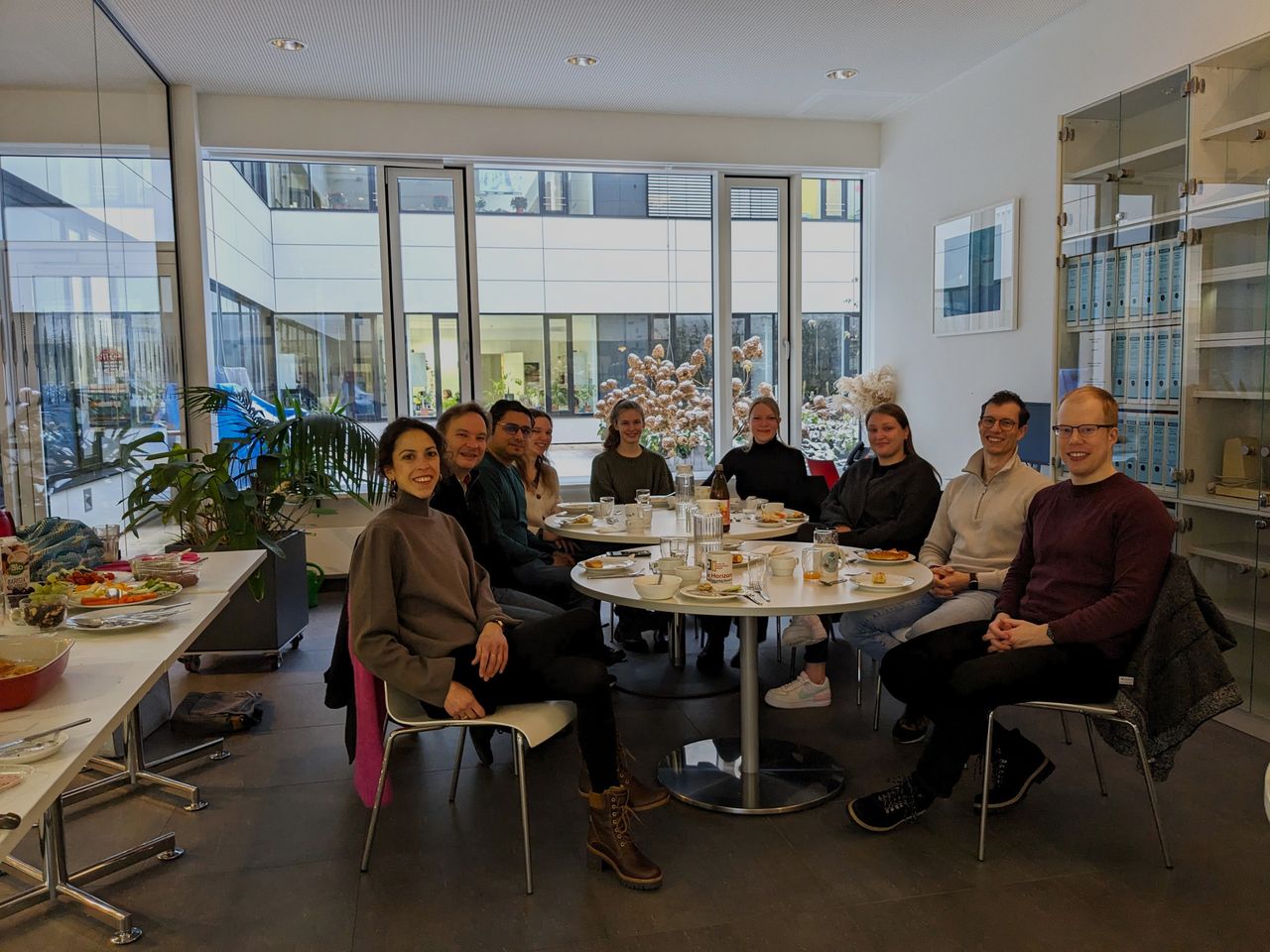
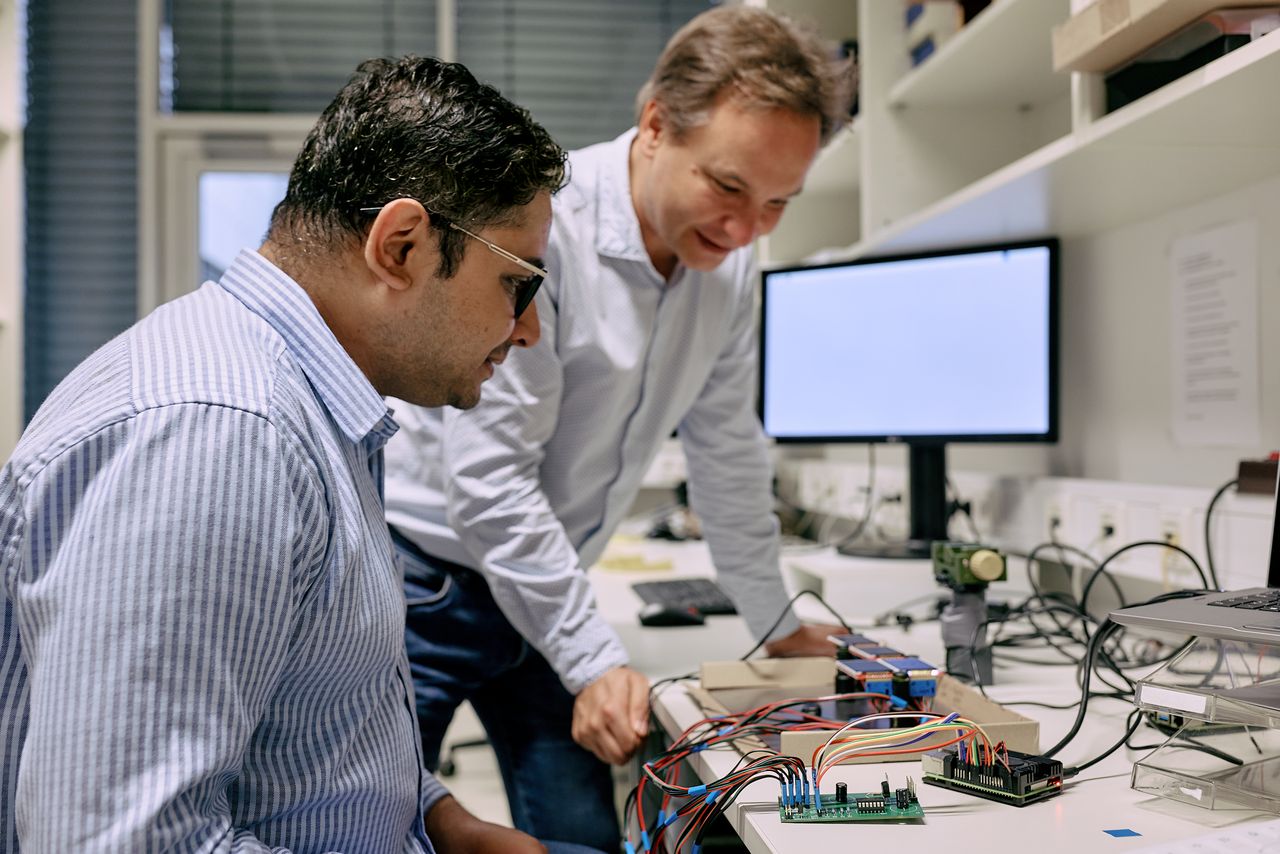
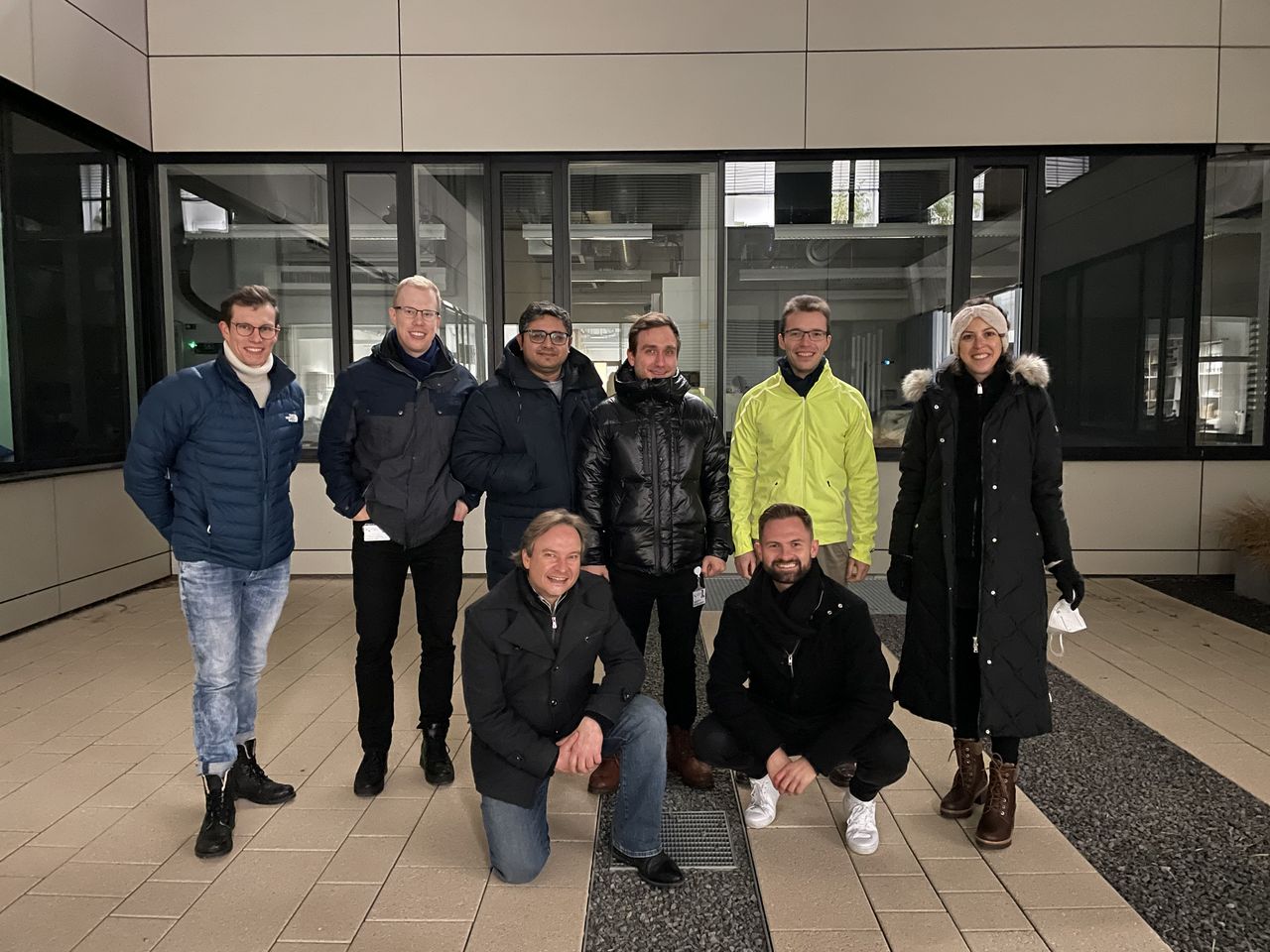
We are a multidisciplinary team with expertise in vision science, optometry, ophthalmic optics, computer science, and engineering. Our work is carried out in close collaboration with research groups at the Institute for Ophthalmic Research and the University Eye Hospital Tübingen, providing access to shared expertise, clinical environments, and advanced instrumentation. We also collaborate with industrial partners and research laboratories at national and international universities.
Our group continues a long tradition of basic and applied vision research at the Centre for Ophthalmology. It emerged from the merger of the Junior Research Group Applied Vision Research at the Institute for Ophthalmic Research, led by Torsten Straßer, and the former Basic Research in Ophthalmology group at the University Eye Hospital, established by Professor Thomas Bende.
Today, the group is part of the Section for Experimental Ophthalmic Surgery and Refractive Surgery at the University Eye Hospital Tübingen and is supported as an endowed research laboratory by the Dr. Ernst und Wilma Müller-Stiftung.
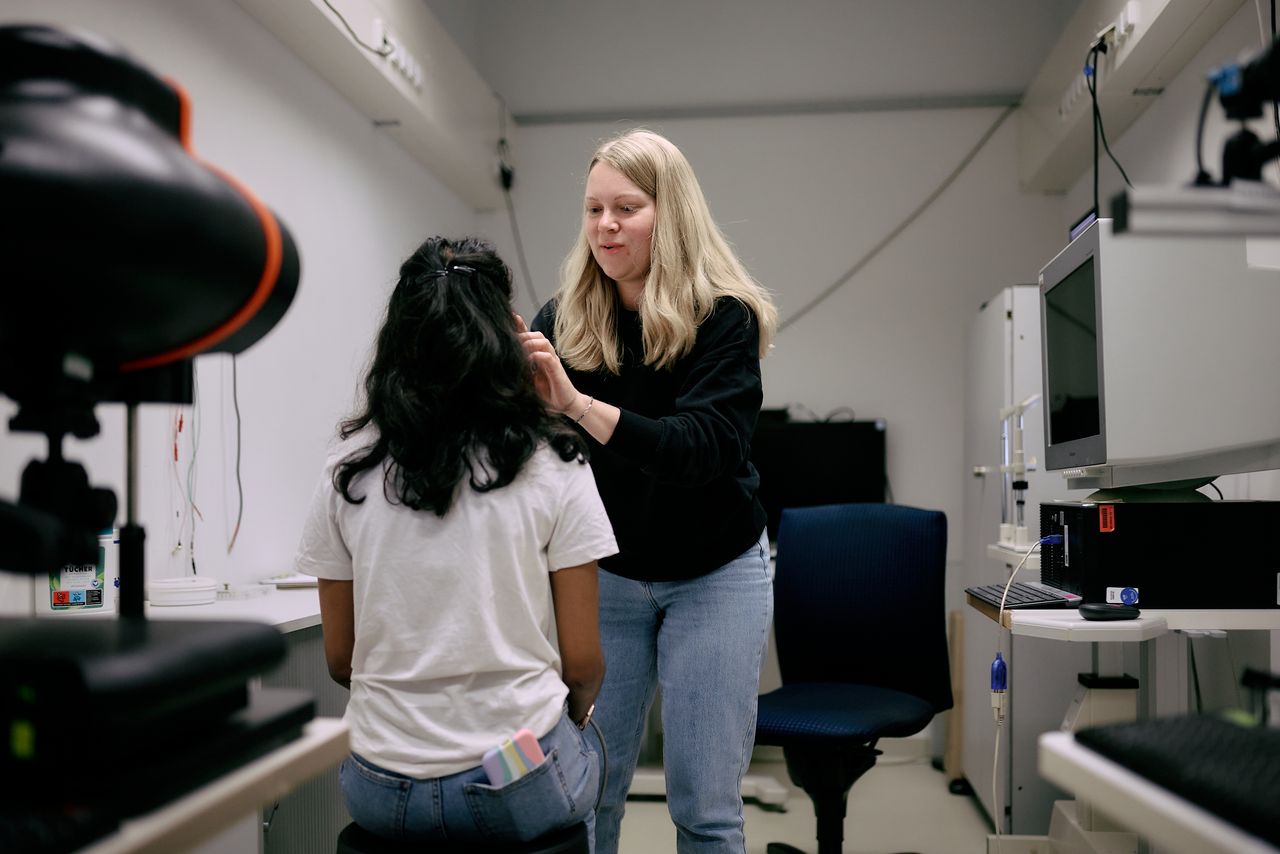
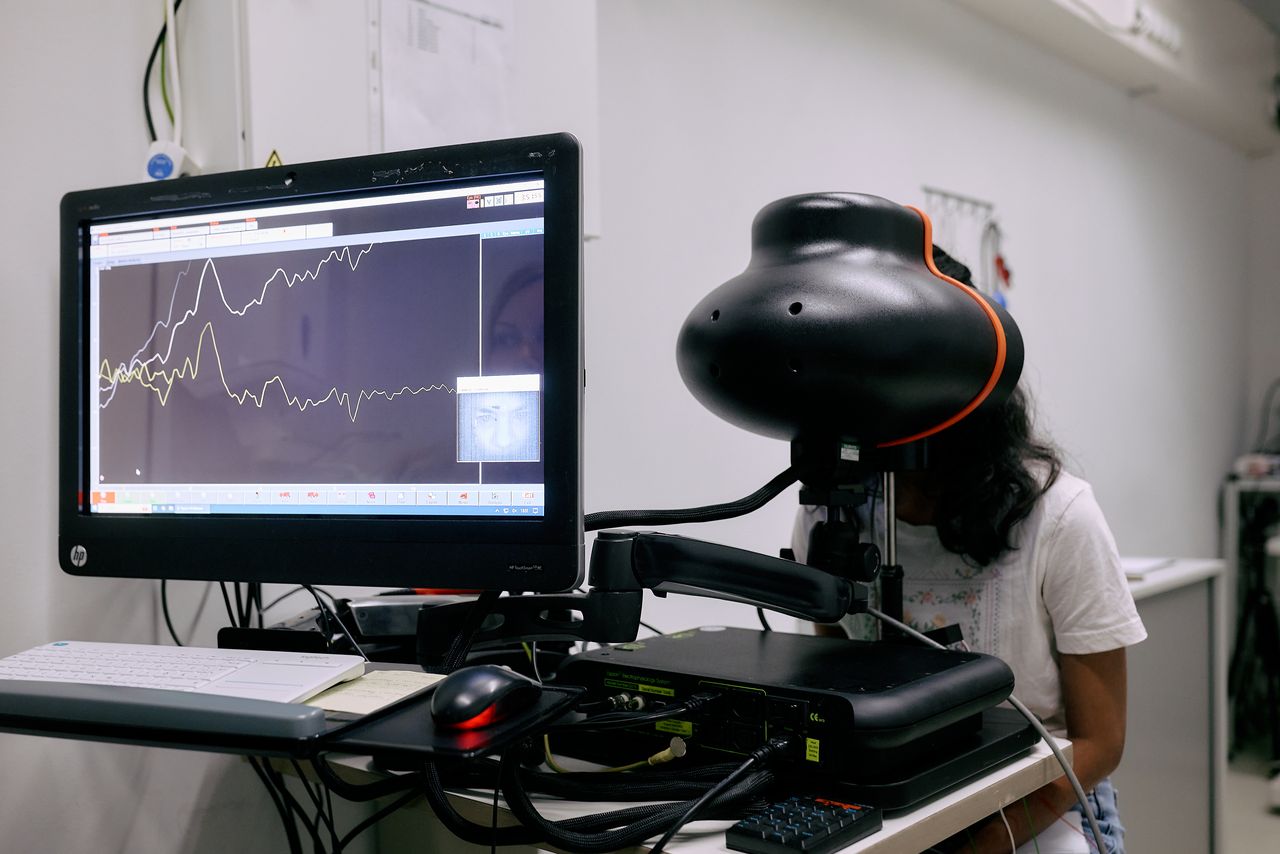
Our research combines experimental and computational approaches. We employ methods such as electrophysiology, optical coherence tomography, eccentric infrared photorefraction, pupillography, and psychophysical testing. In addition, we apply modern data science techniques, including statistics and artificial neural networks, to analyze biomedical data, develop diagnostic tools for visual disorders, and create software solutions for clinical applications.
A central focus of our work is the development of novel technologies to restore the eye’s natural focusing ability. In our flagship project, “Maintaining Sharp Vision Even in Old Age”, we are developing wireless, neuronally controlled contact lenses and intraocular lenses that mimic the natural accommodation of the young eye, addressing the global challenge of presbyopia. The project is funded by the Carl Zeiss Stiftung through the program “Breakthroughs at Universities 2020: Intelligent Solutions for an Aging Society” as well as by the University of Tübingen, its Medical Faculty, and the Centre for Ophthalmology.
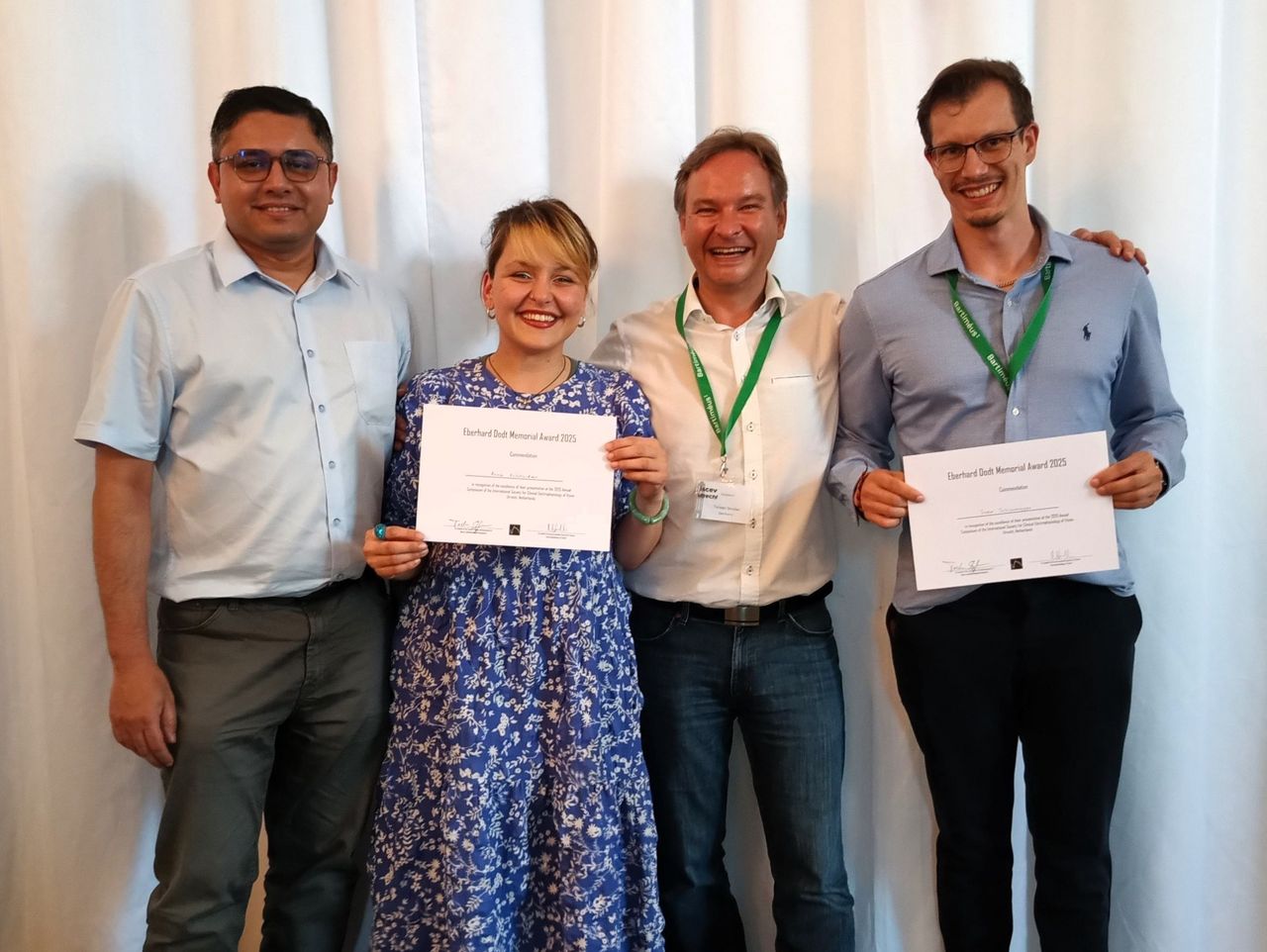
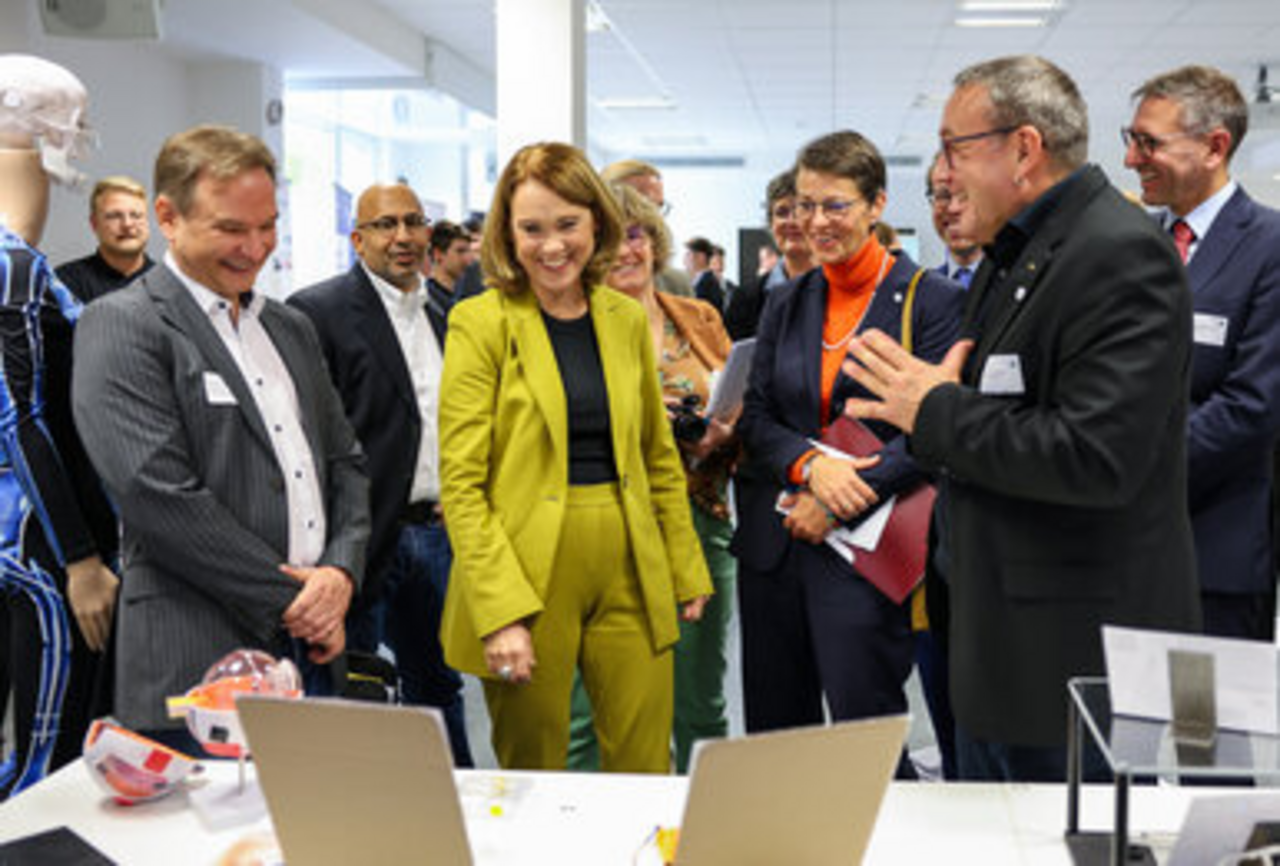
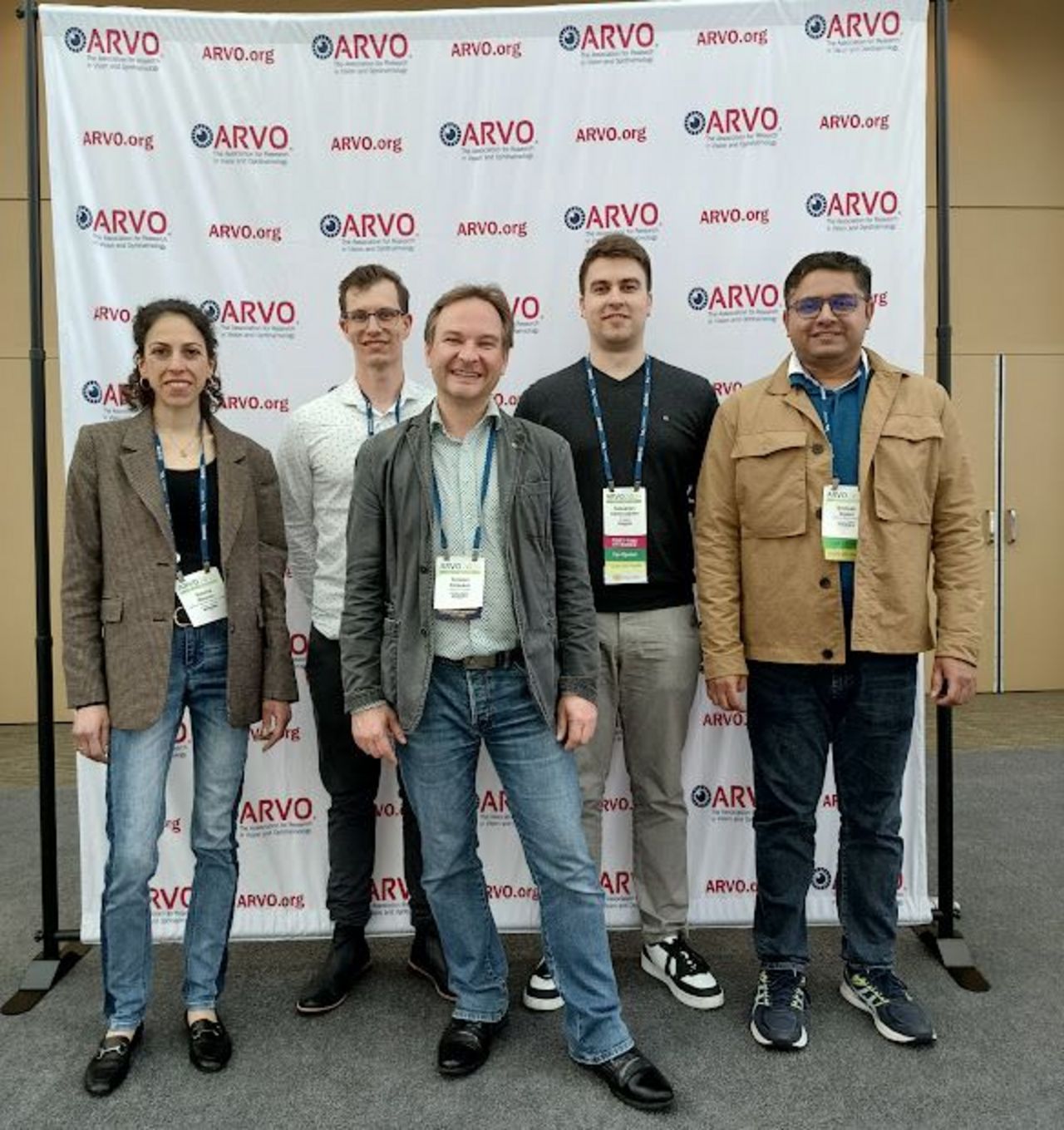

Fotos: Beate Armbruster / © Universitätsklinikum Tübingen